

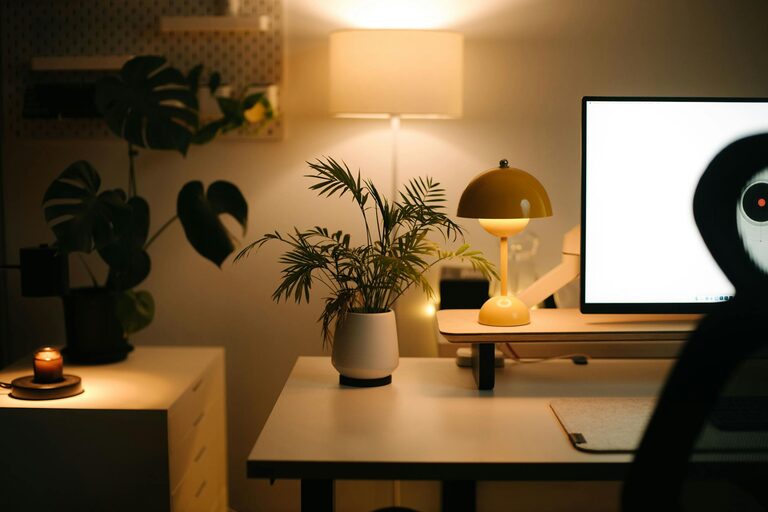
Creating a home office that is both cozy and productive can greatly enhance your work-from-home experience. Whether you’re working remotely full-time or just need a dedicated space for occasional tasks, a well-designed office helps you focus, reduces stress, and encourages creativity. Here are some practical tips to help you design a home office space that supports your productivity while feeling warm and inviting.
1. Choose the Right Location
Selecting the right spot for your home office is the first step. Ideally, pick a quiet corner or a separate room away from distractions like the TV or high-traffic areas in your home. If possible, position your desk near a window to take advantage of natural light, which has been shown to boost mood and focus.
Consider the following when choosing your space:
– Proximity to electrical outlets for your devices
– Enough space for your desk, chair, and storage needs
– Good ventilation and lighting
2. Invest in Comfortable and Supportive Furniture
Your furniture plays a huge role in how comfortable and productive you feel. A good ergonomic chair supports your back and promotes good posture, which is crucial if you spend many hours at your desk. Similarly, a desk at the right height helps avoid strain on your wrists and arms.
Tips for furniture:
– Consider adjustable chairs and desks for flexibility
– Use a footrest or a stand-up desk converter if needed
– Add soft cushions or lumbar pillows for extra support
3. Organize Efficiently to Reduce Clutter
A cluttered workspace can distract and make it hard to find what you need. Keeping your office tidy helps you stay focused and feel calm.
Tips for organizing:
– Use desk organizers, trays, or pencil holders for small items
– Invest in shelves, filing cabinets, or storage bins
– Regularly declutter and remove unnecessary items
– Keep cables and wires managed with clips or sleeves
4. Personalize Your Space with Warmth
Adding personal touches can make your office feel cozy and welcoming. This will encourage you to enjoy spending time there without feeling like it’s just another sterile work environment.
Ideas to personalize:
– Display photos, artwork, or motivational quotes
– Use warm and soft lighting, like desk lamps or string lights
– Add plants for a touch of nature and improved air quality
– Choose textiles like rugs or throws in soothing colors
5. Optimize Lighting for Comfort and Focus
Good lighting is essential both to prevent eye strain and to create a pleasant atmosphere. Aim for a mix of natural and artificial lighting.
Lighting tips:
– Position your desk to make the most of day light, avoiding screen glare
– Use adjustable desk lamps to focus light where you need it
– Consider bulbs with warmer tones for a cozy feel or daylight bulbs for alertness
6. Manage Noise and Minimize Distractions
Noise can disrupt concentration, especially in busy homes. Finding ways to control sound improves your ability to focus.
Ways to reduce noise:
– Use noise-canceling headphones or white noise machines
– Add soft furnishings such as curtains or rugs to absorb sound
– Communicate with family or housemates about your work schedule
7. Set Up Your Technology Thoughtfully
Technology is central to a productive home office. Set up your devices in a way that maximizes efficiency and comfort.
Tech setup tips:
– Position your monitor at eye level to avoid neck strain
– Use a wireless keyboard and mouse to keep your desk tidy
– Keep chargers and cables within easy reach but neat
– Secure a strong internet connection to avoid interruptions
8. Take Regular Breaks and Move Around
Even the best home office setup won’t help if you stay seated for long hours. Schedule breaks to stretch and refresh your mind.
Break ideas:
– Follow the 20-20-20 rule: every 20 minutes, look at something 20 feet away for 20 seconds
– Stand or walk around during phone calls
– Practice simple stretches or use a standing desk part of the day
Conclusion
Creating a home office that balances coziness and productivity is about thoughtful design choices that support your work habits and comfort needs. From furniture and lighting to personalization and organization, each element contributes to a space where you can focus and feel good. Take your time setting up your office, and don’t hesitate to adjust as you discover what works best for you. With these tips, your home office can become a favorite spot for both work and inspiration.