

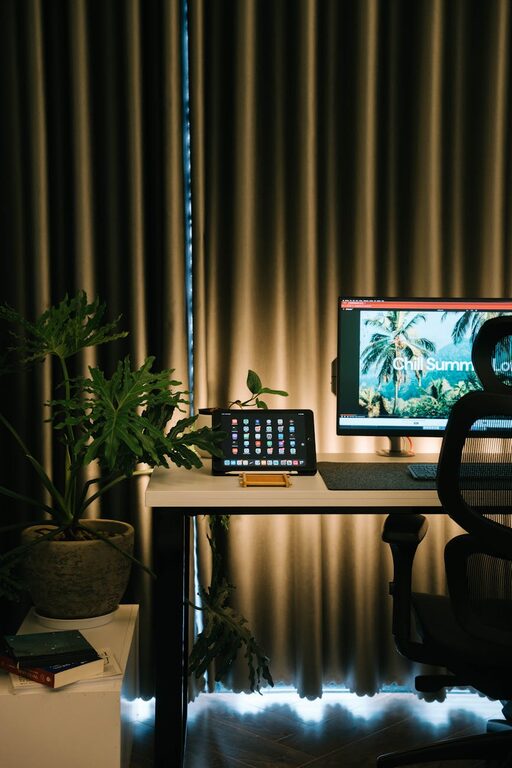
Creating a relaxing home office environment is essential for maintaining focus, reducing stress, and making your workday more enjoyable. Whether you work remotely full-time or occasionally need a quiet space for tasks, the atmosphere around you plays a big role in your productivity and well-being. In this post, we’ll explore practical tips for designing and organizing a home office that feels peaceful and inviting.
Why a Relaxing Home Office Matters
Your home office is more than just a desk and a chair. It’s a space where you spend a significant part of your day, and its setup can influence how you feel and perform. A cluttered or noisy area can increase anxiety and distraction, while a well-designed space promotes calmness and efficiency.
Choose the Right Location
Consider Natural Light
Whenever possible, set up your workspace near a window. Natural light boosts mood, reduces eye strain, and helps regulate your internal clock. If natural light is limited, invest in quality daylight bulbs that mimic sunlight.
Minimize Noise
Select a quiet spot away from household distractions like the kitchen or TV. If noise is unavoidable, consider using a white noise machine or noise-cancelling headphones to maintain concentration.
Focus on Comfort and Ergonomics
Invest in a Good Chair
A comfortable, adjustable chair supports your back and encourages good posture. This reduces the risk of pain and fatigue during long work sessions.
Ergonomic Desk Setup
Place your monitor at eye level and about an arm’s length away. Use an adjustable keyboard and mouse to keep your wrists straight and your shoulders relaxed.
Add Soft Textures
Introduce cushions, a soft rug, or a cozy blanket to make the space inviting. Soft textures can help reduce the clinical feel of an office.
Keep It Organized and Clutter-Free
Use Storage Solutions
Utilize shelves, drawers, and organizers to keep important items within reach but out of sight. A tidy desk helps clear your mind.
Cable Management
Unruly cables add to visual clutter. Use clips, ties, or cable boxes to keep cords neat and prevent tangles.
Regular Clean-Up Routine
Take a few minutes at the end of each day to tidy your space. This habit helps maintain a calm atmosphere and prepares you for the next day.
Add Personal Touches for Inspiration
Choose Calming Colors
Soft blues, greens, or neutrals create a soothing backdrop. Avoid overly bright or dark colors that can be distracting or depressing.
Incorporate Plants
Indoor plants improve air quality and add a natural element that reduces stress. Easy-to-care-for plants like succulents or peace lilies are excellent choices.
Display Meaningful Items
Include photos, artwork, or inspirational quotes that motivate you. Keeping these objects in view can boost morale without overwhelming your space.
Manage Lighting Thoughtfully
Layer Your Lighting
Combine ambient, task, and accent lighting to reduce eye strain and create a balanced atmosphere. For example, use a desk lamp for focused tasks and overhead lighting for general illumination.
Adjust Lighting According to Time
Bright, cool light can help you stay alert during the day, while warmer light in the evening signals it’s time to wind down.
Incorporate Relaxation Breaks and Sensory Elements
Create a Break Area
If space allows, designate a small spot nearby with a comfortable chair or cushion where you can take brief breaks to stretch or breathe deeply.
Use Essential Oils or Candles
Pleasant scents like lavender, eucalyptus, or citrus can promote relaxation and focus. Use these sparingly and ensure good ventilation.
Maintain a Work-Life Balance
Set Boundaries
Keep your home office separate from your living areas to mentally separate work from home life. Avoid working in places associated with relaxation, like the bedroom or couch, to help maintain focus and unwind after hours.
Define Office Hours
Having clear start and end times for work helps prevent burnout. Communicate these boundaries with family or housemates to minimize interruptions.
Conclusion
Designing a relaxing home office environment is about balancing functionality with comfort. By carefully choosing your location, prioritizing ergonomics, keeping the area organized, and adding personal touches, you can create a space that supports productivity and well-being. Remember to keep your space flexible and evolve it as your needs change. A pleasant home office not only boosts work output but also makes remote work feel less stressful and more enjoyable.